Solid-State EV Batteries: 2028-2035 Timeline
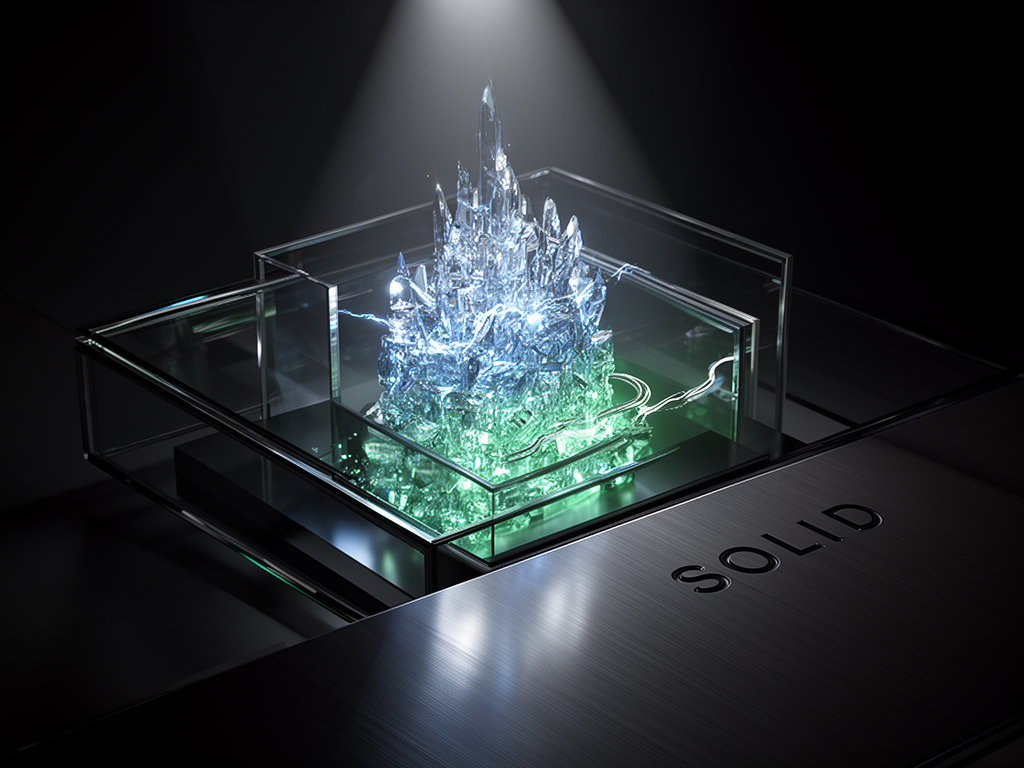
Still waiting for solid-state like it is sci-fi? The late 2020s are bringing it down to earth. Between pilot lines, sulfide electrolytes, and fast-charge targets, solid-state EV batteries are finally moving from press releases to production plans.
The problem
EV buyers want more range, faster charging, and fewer fire headlines. Today’s LFP and NMC packs are cheaper and better than ever, but a 20-40 minute fast charge and pack-level thermal management can still feel like yesterday’s tech on a road trip. Solid-state promises higher energy density, safer electrolytes, and 10-minute charges to 80% as teased by multiple OEMs, including Toyota’s public targets for late-decade batteries as covered in Autoweek and Cars.com.
The solution (and why it is harder than it looks)
Solid-state cells swap flammable liquid electrolytes for solid ones. That makes the cell intrinsically less volatile and enables thinner separators, tighter packaging, and potentially much higher specific energy. Depending on the electrolyte, you will hear three families:
- Sulfide-based: high ionic conductivity and thin layers, but moisture sensitive and demanding dry-room handling. Used by major programs and discussed in industry coverage like Interact Analysis.
- Oxide-based: thermally and chemically robust, but harder to process thin at scale. ProLogium’s approach is often cited in analyses such as IDTechEx.
- Polymer-based: flexible and safe, but typically lower conductivity at room temperature unless heated or hybridized, per reviews like IDTechEx.
The catch: solid interfaces must stay perfectly bonded under cycling. Many designs need constant stack pressure to maintain contact, yields can drop on thin solid layers, and sulfides dislike humidity. Those are manufacturing problems, not physics problems, and they will be solved with time and money. But they drive a slower ramp.
The realistic timeline: 2028-2035
- 2025-2027: Pilot and limited series. Nissan and partners have talked up pilot lines in the mid-2020s, and Toyota continues development toward late-decade launches, per Autoweek and Cars.com.
- 2027-2030: First commercial vehicles in premium segments, often sulfide-based. South Korea’s SK On is targeting commercialization around 2029, per Battery Tech Online. Market-level assessments point to production entering gradually around 2030, per Interact Analysis.
- 2030-2035: Manufacturing-heavy ramp. Expect a widening model mix and cost improvements as yields, dry-room operations, and electrolyte supply scale, as discussed in Interact Analysis and IDTechEx.
Translation: 2028-2030 is realistic for initial launches, with real volume and cost competitiveness leaning toward the early-to-mid 2030s. There will be breakthroughs and misses. That is normal.
What actually changes for drivers
- Energy density: Targets often cite 400-500 Wh/kg at the cell level, roughly a step-change over today’s mainstream packs. Ambitions to double range have made headlines, such as Electrek, though real-world gains will vary by vehicle and pack design.
- Charging: OEMs are chasing 10-minute charges to 80% as highlighted in Autoweek. Faster charging depends not just on the cell, but also on thermal systems and the public charging network.
- Safety: Replacing liquid electrolytes reduces thermal runaway risk, as explained in Cars.com. Quality control and interface integrity still matter, which is why the ramp will be cautious.
Bottlenecks to watch
- Yield and cost: Thin, defect-free solid layers and high-quality interfaces are hard to make at gigascale, per Interact Analysis.
- Dry-room and sulfide handling: Moisture sensitivity inflates capex and operating complexity, as noted in industry reviews like IDTechEx.
- Stack pressure and pack design: Some chemistries need constant pressure to maintain interfacial contact, complicating module mechanics, per IDTechEx.
- Electrolyte supply: Scaling sulfide and oxide electrolyte production is a new bottleneck. Analysts expect coordinated scale-up through the decade, per Interact Analysis.
Context: LFP and NMC are not standing still
Even as solid-state moves forward, LFP and NMC are scaling fast. Expect cheaper LFP in mainstream models and high-nickel NMC in performance vehicles, with Toyota itself outlining parallel battery strategies for affordable and long-range segments in Autoweek. For the next 5-10 years, many buyers will see bigger packs, better fast charging, and lower prices without waiting for solid-state.
Should you wait to buy?
- Buy now if: you want lower total cost of ownership today, rely on public charging that is steadily improving, and value proven LFP/NMC chemistries.
- Consider waiting if: you are eyeing premium EVs in 2028-2030, prioritize maximum range and fastest charging, and can afford early-adopter pricing.
- Fleet planning: pilot solid-state for specific duty cycles post-2029, but scale procurement on LFP/NMC in the near term. Watch electrolyte supply and yield data before committing to large volumes.
Bottom line
Solid-state EV batteries are real, not magic. Expect a 2028-2035 adoption window: early models late this decade, broader availability and cost improvements into the next. In parallel, today’s LFP and NMC keep getting cheaper, safer, and faster. That is good news either way.