Flow batteries vs Li-ion: 2026 guide as prices fall 8%
Still sizing every battery at 4 hours? That is like bringing a spoon to a flood.
Europe’s grids are hitting a new reality: reliability and decarbonization mean soaking up midday solar and riding through evening demand for 6–12 hours. Lithium-ion got us here, and it keeps getting cheaper, but stretching conventional lithium beyond 4 hours can be an economic and operational headache. For 2026, developers and investors need a crisp playbook for when vanadium flow batteries shine, when lithium still dominates, and how prices and policy shape projects.
The problem
Short-duration storage was perfect for frequency and peak shaving. But higher renewable penetration now demands longer coverage to cut curtailment and avoid firing up gas. Long duration energy storage is typically defined at 6–12+ hours, with many policies using 8+ hours as the threshold, as highlighted by the LDES Council and market proposals in the UK (LDES Council 2024 report; UK LDES cap-and-floor technical details). Even advocates agree that LDES must scale rapidly to meet decarbonization goals, as noted in this LDES Council brief and Clean Energy Group’s overview.
The pricing twist
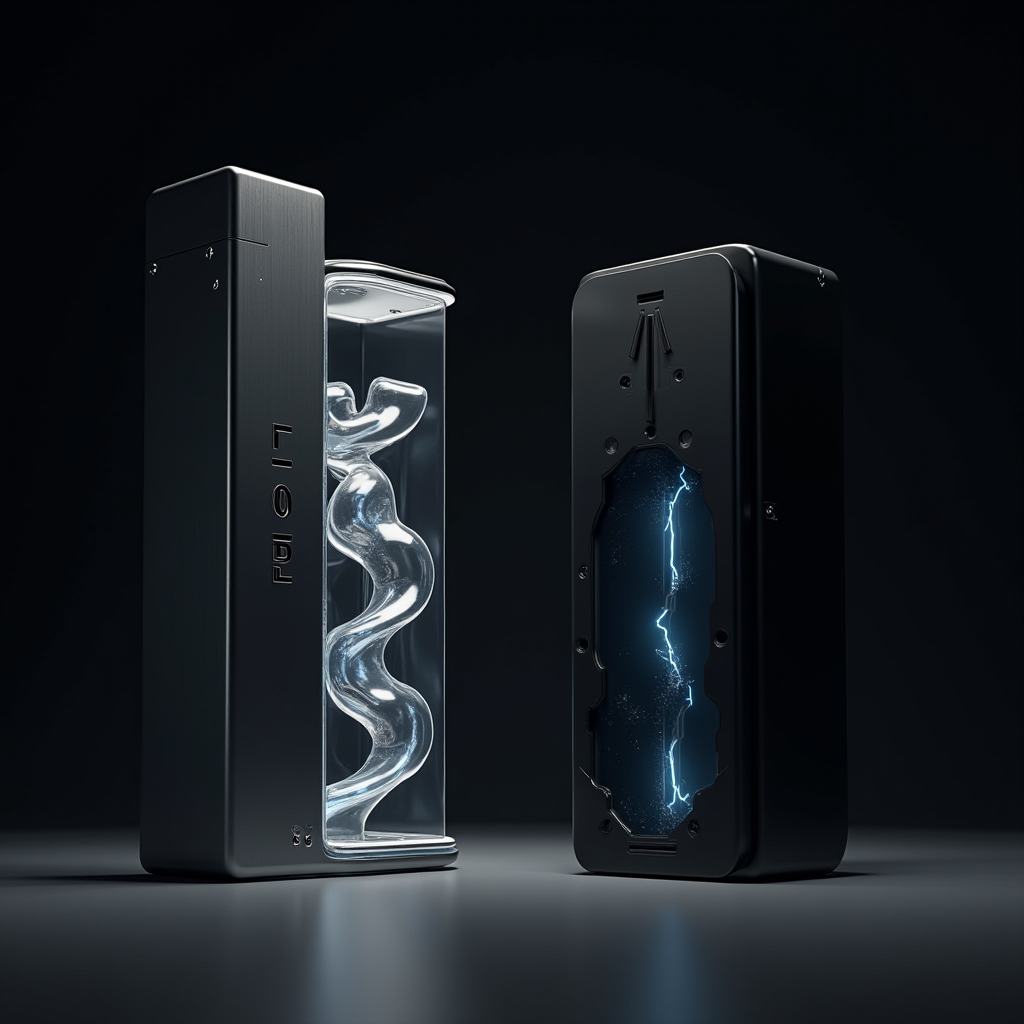
Lithium-ion pack prices fell again in 2025, down about 8% to roughly $108/kWh, driven by fierce competition and LFP’s rise, according to PV Magazine’s summary of BNEF’s price survey. That keeps 1–4 hour lithium systems extremely compelling. But when you push to 6–12 hours, the bill climbs fast because energy is tied to more cells. Flow batteries flip that math by decoupling power (stacks) and energy (electrolyte), letting you add hours without multiplying the whole system.
The solution, plain and simple
- Flow batteries (vanadium redox flow): Non-flammable liquid electrolytes, very high cycle life, and independently scalable energy. Built for daily deep cycling across many hours. Ideal for solar soaking and evening discharge.
- Lithium-ion (mostly LFP in stationary storage): The workhorse for fast response, compact footprints, and cost-efficient 1–4 hour projects. Bankable, widely available, and integrated into markets today.
Cost trajectories for long-duration techs are improving. The U.S. DOE projects substantial LCOS reductions across LDES, including flow batteries, with targeted innovation portfolios materially lowering costs through the 2030s, as noted in this DOE report.
Evidence you can actually use
- LDES definition and growth: Markets are codifying 8+ hours as long duration and calling for rapid scale-up, per the LDES Council 2024 report.
- Lithium price pressure: Pack prices fell about 8% in 2025 to $108/kWh, per PV Magazine’s coverage of BNEF.
- Duration shift: System designs are moving beyond 2–4 hours as solar grows and operators chase reliability, a trend tracked by industry analysts (InfoLink analysis) and clean energy groups (Clean Energy Group).
- Policy tailwinds: The UK’s LDES cap-and-floor model provides revenue certainty for 8+ hour storage, detailed by UK government and Ofgem.
- Operations trend: Solar-plus-battery is becoming the default pairing to manage variability and deliver firmed capacity, a trend reinforced in market outlooks like BNEF’s storage growth insight.
Where flow batteries win in 2026
- 6–12 hour daily duty: Co-located solar soaking and evening discharge without stacking cell costs linearly.
- High cycling environments: Thousands of deep cycles with minimal degradation; attractive LCOS over long lifetimes.
- Safety and siting: Non-flammable electrolytes simplify certain permitting and urban siting considerations.
- Curtailment mitigation: Flexible energy capacity helps turn wasted generation into revenue.
Where lithium-ion still dominates
- 1–4 hour capacity and ancillary services: Fast response, high round-trip efficiency, mature integrations in wholesale markets.
- Compact, modular builds: Limited real estate or tight construction windows favor lithium’s energy density and standardized containers.
- Near-term bankability: Vendor competition, established warranties, and proven performance simplify financing.
Pricing and policy in 2026: What actually changes
- Cheaper lithium sets the baseline: With 2025 pack prices down ~8%, expect sharper bidding for 2–4 hour projects and hybrid solar-storage PPAs (PV Magazine on BNEF).
- LDES support mechanisms arrive: UK’s cap-and-floor for 8+ hour storage is live in 2025, with application windows opening and detailed rules published by Ofgem. Similar models are likely to influence continental approaches.
- Project sizing stretches: Developers in sunny regions will push to 6–12 hours to monetize solar peaks and reduce curtailment, a shift already flagged by analysts (InfoLink).
- Flow battery pilots multiply: Expect additional European deployments from established vendors like Invinity Energy Systems and CellCube as policy clarity improves and longer-duration revenue stacks firm up.
Developer cheat sheet: Pick the right battery for the job
- If your use case is 1–4 hours: Prioritize lithium-ion. Optimize for round-trip efficiency, interconnection constraints, and ancillary market revenues.
- If your use case is 6–12 hours: Evaluate vanadium flow. Model LCOS over 15–20 years with daily deep cycling, curtailment capture, and revenue certainty mechanisms.
- Co-located solar: Run a curtailment sensitivity. Longer discharge may beat adding more PV capacity if policy credits and capacity payments favor LDES.
- Bankability: Compare warranties, performance guarantees, and degradation curves. Flow’s lower degradation can be a financial lever over long PPAs.
- Safety and permitting: Non-flammable chemistries can reduce mitigation costs. Factor this into total installed cost, not just equipment pricing.
Bottom line
In 2026, lithium-ion owns short-duration grid storage and will keep getting cheaper. Flow batteries are set to claim the long-duration lane where 6–12 hours, heavy cycling, and safety drive value. With policy frameworks like the UK’s cap-and-floor for 8+ hour storage and a clear solar-plus-battery operating shift, smart developers will deploy both, just where each wins.
Further reading: LDES Council 2024 report, BNEF price survey coverage, DOE cost trajectories, UK LDES cap-and-floor details.