Big Batteries + Gas: Hybrid Peakers in 2026
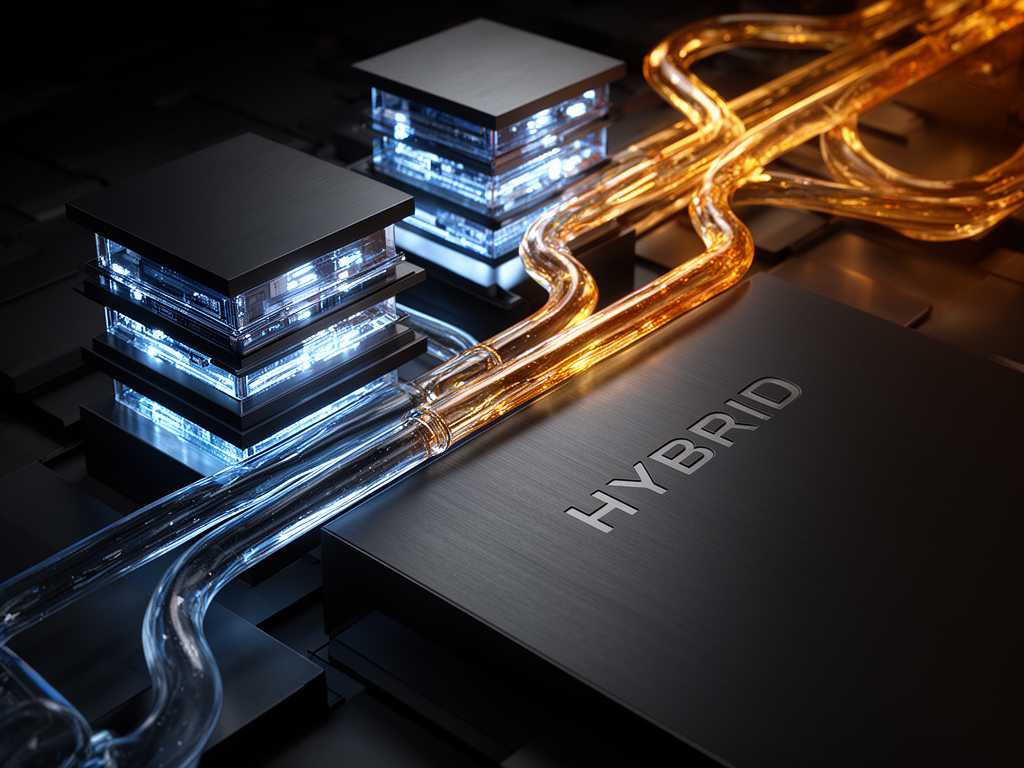
Still trying to tame every peak with batteries alone? That is like showing up to a grid knife fight without the shield. In 2026, the smarter play is hybrids: big battery energy storage paired with fast-start gas peakers that deliver firm, flexible power when the grid gets twitchy.
The problem
Renewables are surging, coal retirements keep accelerating, and reliability margins are getting thinner. Solar and wind are cheap, but they do not always show up when demand spikes. Utilities need firm capacity that can react in seconds, smooth frequency wobble, and ride through multi-hour events without breaking the bank.
The hybrid answer
Hybrid peaker plants combine a large battery energy storage system with fast-start gas turbines. The battery handles the first wave: instant response, frequency control, and 1 to 8 hours of discharge depending on sizing. Gas covers the tail: longer, stubborn peaks and contingency events. Together they deliver dispatchable capacity with lower emissions than running gas alone, tighter ramping, and more bankable revenue stacking across energy, capacity, and ancillaries.
Proof on the ground
- In Queensland, state-owned Stanwell secured exclusivity to negotiate commercial terms on Quinbrook’s proposed Gladstone Energy Hub, pairing a 780 MW/6,240 MWh battery with up to 1,080 MW of open-cycle gas turbines. The goal is firming heavy industry and stabilizing the regional grid with eight-hour storage and fast-start gas, a textbook hybrid peaker configuration as reported in Energy-Storage.news.
- In Western Australia’s Goldfields, Zenith Energy inked a 25-year PPA to deliver a 138 MW/300 MWh battery as part of a renewables-dominant supply for Northern Star’s Kalgoorlie operations. It is designed for firming and ancillary services over a long tenor, demonstrating why mines value predictable hybrids, per Energy-Storage.news.
Why hybrids are winning
- Reliability where it counts: Batteries deliver sub-second response and frequency support. Gas provides duration and security of supply when events go long. Markets like CAISO showcase how batteries monetize fast frequency and ramping services, as noted in this analysis.
- Bankable revenue stacks: Hybrid plants can stack energy arbitrage, capacity payments, and ancillary services. LBNL’s hybrid power plant research points to improved dispatch flexibility and financeability when co-optimizing assets under one interconnection, as documented in this report.
- Lower emissions per megawatt dispatched: The battery shaves peaks and avoids unnecessary gas starts. When gas does run, it is focused on the hours that matter. That combination reduces runtime and total fuel burn compared with gas-only peakers, aligning with global hybrid trends highlighted by IRENA.
- Policy tailwinds: Queensland’s energy roadmap targets multi-gigawatt battery buildout and revised pumped hydro to shore up reliability. That signals growing demand for firming capacity in the late 2020s, per Energy-Storage.news.
Dispatchability and grid control
Modern BESS are increasingly grid-forming, offering virtual inertia and voltage support that tighten frequency performance and improve fault ride-through. Australia is already scaling grid-forming projects at multi-hour durations, as seen in FRV and AGL’s 2,200 MWh program referenced by Energy-Storage.news. Hybrids layer fast response on top of long-duration coverage. The result is sharper ramping, smoother dispatch, and fewer brownouts when weather gets weird.
Costs and battery life in 2026
Utility-scale battery costs continue to trend down with better performance and control software, and 4 to 10 hour systems are becoming more cost-effective in the next decade, according to NREL’s 2024 cost and performance benchmark in the ATB. The takeaway for 2026 is simple: longer-duration batteries paired with gas peakers will hit a sweet spot for firming renewables without overbuilding thermal capacity.
What this means for battery-only projects
Battery-only will stay busy. Two to four hour systems keep excelling at frequency response, evening peak shaving, and congestion relief. But when reliability margins tighten and events run long, banks and utilities are favoring hybrids for duration, redundancy, and stronger revenue stacks. Expect hybrid peakers to capture more capacity market awards while standalone batteries dominate fast frequency and intraday arbitrage. Energy-Storage.news’ 2026 outlook flags hybrids and grid-forming BESS as front-runners in near-term growth, as noted in this trend piece.
The bottom line
Hybrids are not a hedge. They are the new peaker playbook. Big batteries stabilize the grid and cut emissions. Fast-start gas stretches the coverage when the sun sets and the wind stalls. Together, they deliver dispatchable, financeable power for a grid that cannot afford to miss. 2026 will be the year the hybrid peaker moves from smart idea to standard practice.