Arizona OKs 400MWh BESS Near 2019 Blaze: What’s Changed
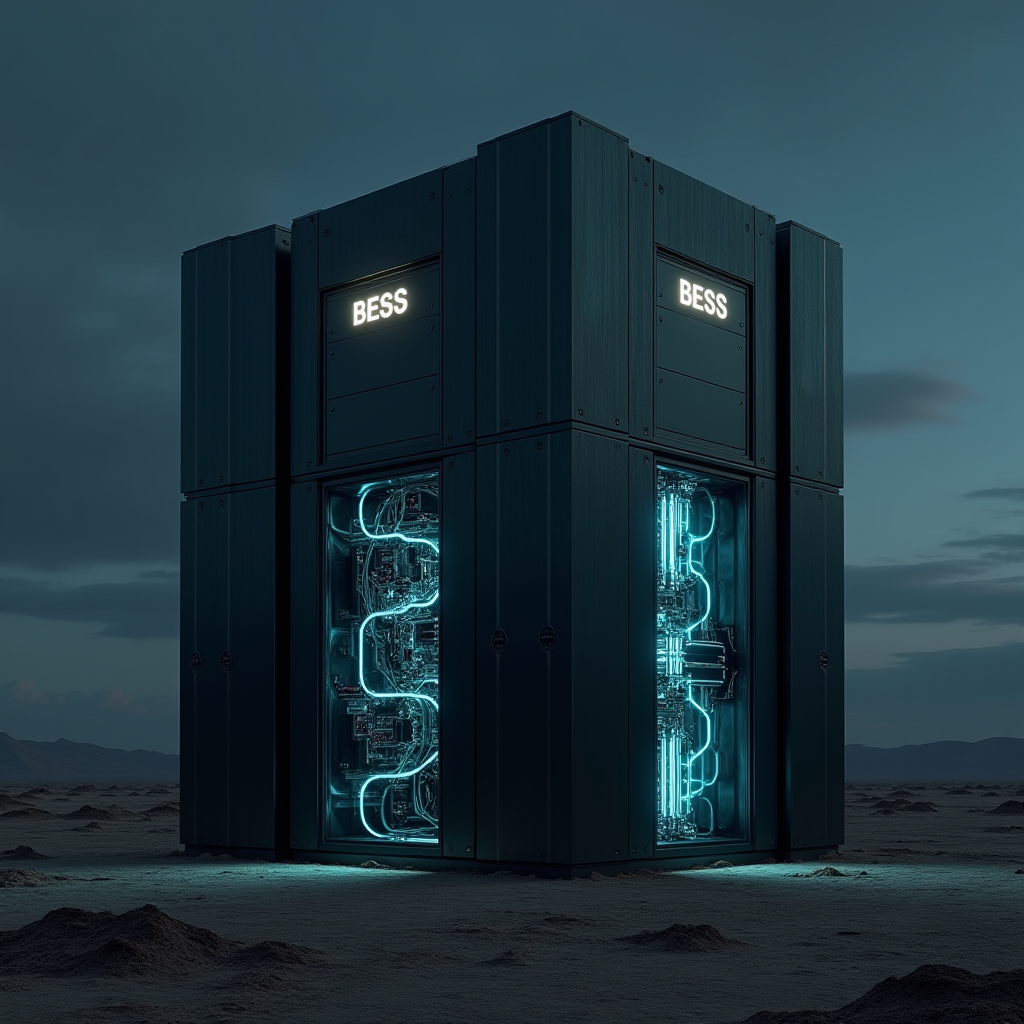
Still designing storage like it’s 2019? That’s how you get headlines, not megawatt-hours.
Arizona just approved a 100 MW-400 MWh battery energy storage system near the site of the 2019 McMicken incident in Surprise. On the surface, that sounds risky. In reality, it’s a case study in how battery storage fire safety has matured and why communities and regulators are more comfortable saying yes in 2025.
The backdrop: A big new BESS next to an old scar
Maricopa County supervisors signed off on the White Tank project, a standalone BESS sited near where a smaller APS facility experienced thermal runaway and an explosion that injured four firefighters in 2019. The new project clocks in at 100 MW-400 MWh, was acquired by GridStor from Strata Clean Energy, and will provide peak capacity to APS under a long-term agreement. Approval near that history signals confidence in modern safety design and operations as reported here and in follow-on acquisition details from the developer and local business coverage.
The problem: Lithium-ion battery fire risk meets permitting reality
Battery storage fire safety became dinner-table conversation after early incidents. Thermal runaway, flammable electrolytes, toxic off-gassing, and complex suppression are a lot for fire departments and neighbors to accept. That fear translates into permitting delays, expensive redesigns, and, in some cases, outright opposition.
What’s different now
- Mature standards and full-scale testing. NFPA 855 is now the anchor for installation, spacing, suppression, monitoring, and emergency response across chemistries. It references UL 9540 for system certification and UL 9540A for large-scale fire test data that authorities use to set separation distances, barriers, and ventilation based on real behavior, not lab hypotheticals. See clear explainers on NFPA 855 and UL protocols from EPA and industry fire protection guidance.
- New reliability standard. CSA C800:2025 adds rigorous mechanical, environmental, and durability testing for energy storage systems, giving insurers and regulators a stronger assurance framework that complements fire codes as covered by Energy-Storage.news.
- Design that assumes failure modes. Modern BESS projects incorporate fire-resistant barriers, compartmentalization, off-gas detection, deflagration venting, and coordinated shutdown logic through the BMS. Those elements were limited or absent in older systems implicated in early lithium-ion battery fires, a gap highlighted in reporting on the McMicken event here.
- Chemistry options change the risk profile. Vanadium flow batteries use a water-based electrolyte that is non-flammable, so they avoid thermal runaway and explosion hazards typical of lithium-ion systems. That allows simpler suppression approaches and more flexible siting in buildings when justified by UL 9540A results and AHJ review. See comparisons and safety data from technology providers and associations Sumitomo Electric and Flow Batteries Europe, and broader federal safety strategy context from DOE.
- Blueprint-level industry guidance. The sector has codified best practices for siting, community engagement, and emergency response planning that go beyond minimum code compliance, improving trust and lowering risk per the American Clean Power safety blueprint.
Grid and buildings: How projects earn trust
- Fire authority integration. Pre-incident planning with local fire departments, including access, water supply, and isolation procedures, has become standard under NFPA 855-aligned approval processes EPA overview.
- UL 9540A-driven siting decisions. Large-scale fire test data lets authorities tailor separation distances, barriers, and ventilation to the actual hazard of a specific system configuration, which can reduce footprint or tighten controls depending on results NFPA 855 explainer.
- Chemistry matching to context. Lithium-ion remains the workhorse for fast response and compact footprints, but many building-integrated or long-duration designs now consider non-flammable vanadium flow battery options to simplify fire safety and permitting where space and duration matter technology comparison and industry review.
Evidence without the lab coat
- Arizona’s approval near McMicken. A county-level green light for a 400 MWh system adjacent to a past blaze shows regulators view modern designs as materially safer when they meet current codes and testing Energy-Storage.news.
- New reliability certification momentum. CSA C800:2025 is now part of the standards stack, strengthening how projects demonstrate durability and safety to insurers and AHJs coverage.
- Industry safety playbooks. National guidance consolidates lessons learned into actionable siting and emergency response pathways that improve project outcomes ACP blueprint.
Bottom line
Battery storage fire safety in 2025 is not a promise, it’s a process. Codes like NFPA 855, test protocols like UL 9540A, and reliability standards like CSA C800:2025 have reshaped how projects are designed, permitted, and operated. Add smarter BMS, purpose-built fire mitigation, and chemistry choice - including non-flammable vanadium flow battery options - and communities can say yes to capacity where they once said no. Arizona’s 400 MWh approval near a 2019 blaze isn’t a gamble. It’s proof that the industry took the lessons seriously and changed how storage gets built.
Further reading
- Arizona county supervisors approve 400 MWh BESS near 2019 fire site
- Understanding NFPA 855 for energy storage systems
- CSA C800:2025 - new reliability standard for ESS
- Battery storage industry safety blueprint
- Vanadium flow vs lithium-ion safety characteristics
- Flow Batteries Europe - safety comparison
- DOE Energy Storage Safety Strategy